

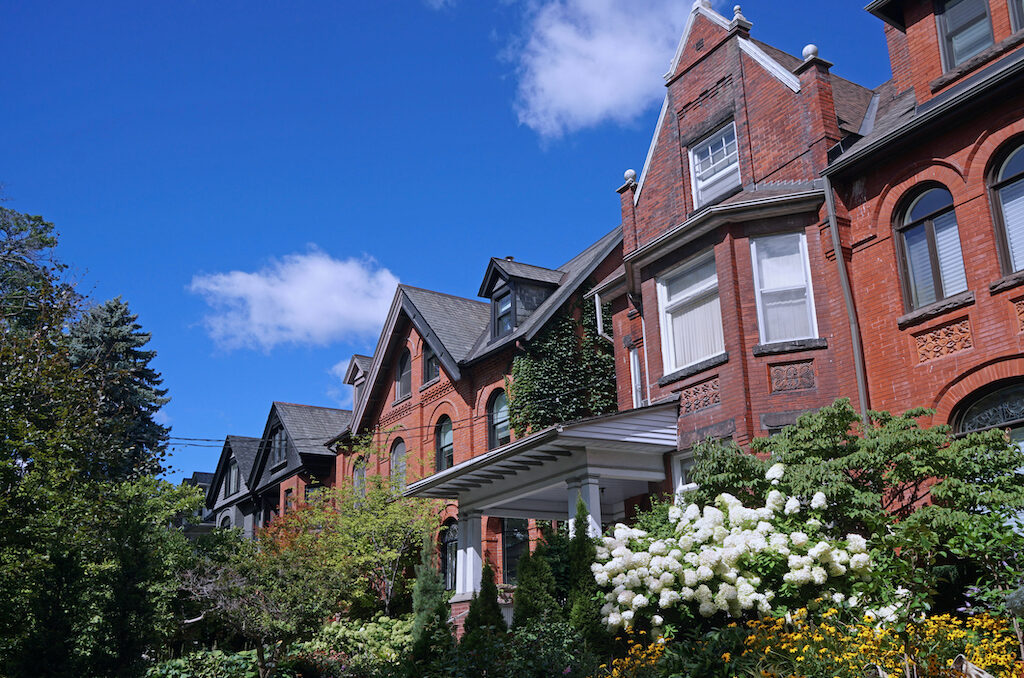
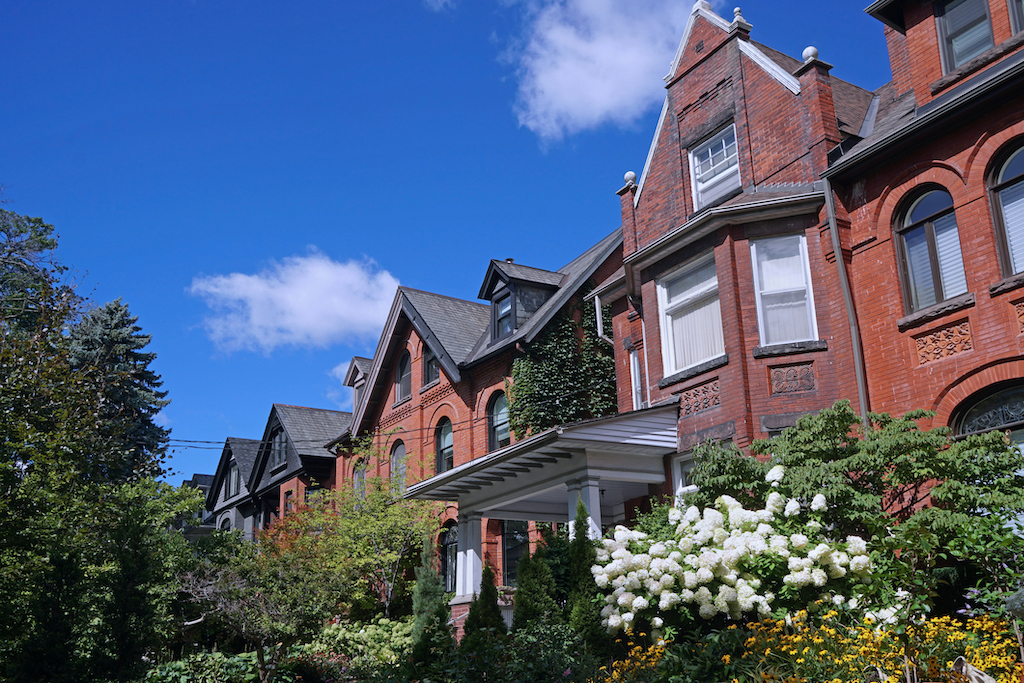
For buyers moving to Toronto, established residential streets offer a glimpse of the city’s character beyond its familiar skyline.
An exceptional property can become a frustrating choice when its location works against everyday life. For luxury buyers moving to Toronto, the neighbourhood, property type, travel patterns, privacy, schools, and ownership responsibilities all shape how well a home will serve them after the boxes have been unpacked. A downtown condominium, a historic home near the city centre, and a private estate farther north may be equally compelling, but each supports a markedly different routine.
Relocation tends to make these decisions especially demanding when buyers are comparing homes from another city or country while also managing work, travel, family needs, and the practical details of a move. Establishing clear priorities early helps narrow the search, identify suitable neighbourhoods, and prevent an attractive property from overshadowing an unsuitable location or ownership commitment.
TABLE OF CONTENTS
CHOOSE THE RIGHT NEIGHBOURHOOD
For buyers moving to Toronto, choosing a neighbourhood begins with understanding the household’s daily routines. Commutes, school routes, preferred property type, privacy needs, and frequently visited destinations can all help narrow the search before individual homes are compared.
Several Toronto luxury neighbourhoods illustrate the range of residential settings available:
- Rosedale: Historic homes, mature streets, ravine settings, and convenient access to central Toronto.
- Forest Hill: Large homes on residential streets near independent schools such as Upper Canada College and The Bishop Strachan School.
- Lawrence Park: Detached homes on deep, tree-lined lots, with nearby parks and access to Yonge Street.
- The Bridle Path: Estate properties on expansive lots, offering substantial privacy and proximity to parkland.
- Yorkville: Luxury condominiums near Bloor Street shopping, restaurants, hotels, and cultural destinations.
Once buyers identify neighbourhoods that suit their preferred residential setting, they can assess how well each location supports their regular travel needs.
Account for everyday travel
Toronto’s transportation options include the TTC, GO Transit, major highways, UP Express, Toronto Pearson International Airport, and Billy Bishop Toronto City Airport. Their importance depends on the household’s regular travel patterns.
A buyer commuting downtown may evaluate a neighbourhood differently from someone travelling regularly through Pearson Airport. Families may prioritize school routes and recreational activities, while other buyers may place greater value on walkability or proximity to subway and GO connections.
Reviewing actual routes and typical travel patterns provides more useful context than distance alone.
COMPARE PROPERTY TYPES AND OWNERSHIP NEEDS
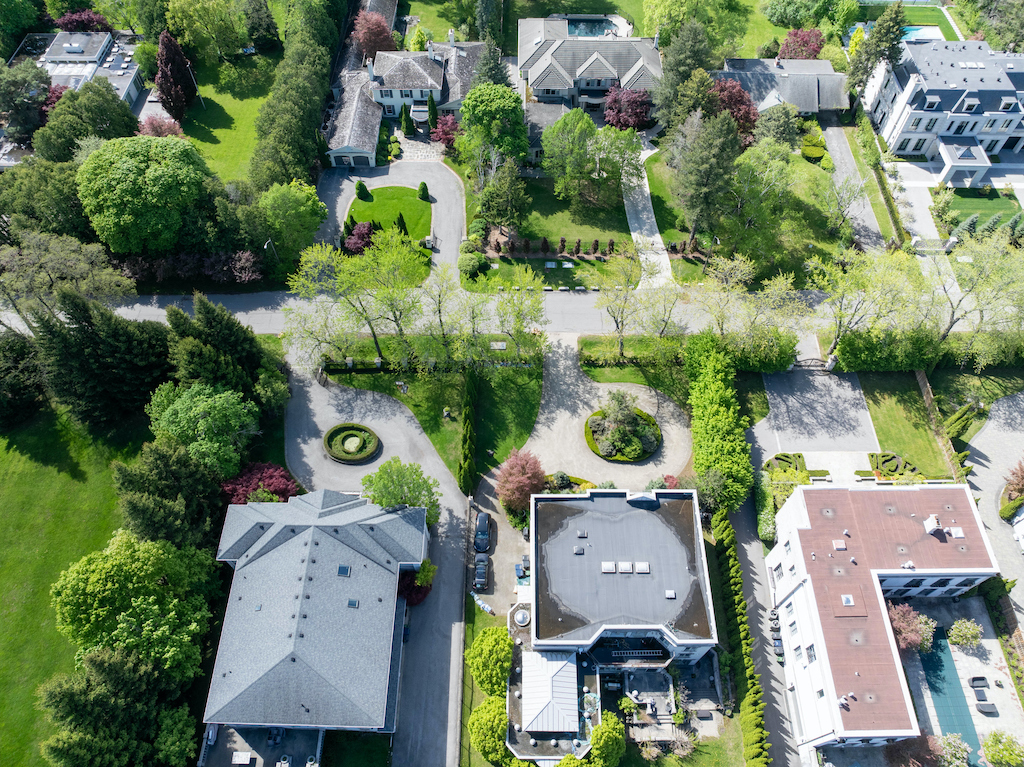
Lot size, privacy, and property style can vary considerably across Toronto’s residential market.
Luxury homes for sale in Toronto may vary considerably by neighbourhood and even by street. For detached homes, buyers may need to look closely at the lot, property condition, privacy, and previous renovations. Location and parking also tend to affect how a home is evaluated.
Luxury condominiums require a different assessment. Buyers may consider the building’s management and financial health alongside monthly fees, amenities, parking, and storage.
Match space and privacy to daily life
A larger detached home may provide additional outdoor space, parking, privacy, and room for entertaining. It may also require more coordination for landscaping, snow removal, exterior upkeep, security, pools, and mechanical systems.
A condominium may reduce some exterior maintenance responsibilities while introducing monthly fees, building rules, shared amenities, and condominium corporation considerations.
The appropriate choice depends on how the buyer expects to use and maintain the property, as well as the purchase budget and anticipated ownership costs.
BUDGET FOR TORONTO-SPECIFIC PURCHASE COSTS
The purchase price represents only part of the financial commitment involved in buying a luxury home in Toronto. Ontario Land Transfer Tax generally applies when property changes ownership, while purchases within the City of Toronto are also subject to the Municipal Land Transfer Tax (MLTT).
Effective April 1, 2026, Toronto introduced revised graduated municipal rates for residential properties containing one or two single-family residences. These rates apply to portions of the purchase price above $3 million, making advance calculations particularly important for luxury buyers.
Additional costs may include legal fees, title insurance, property inspections or specialized assessments, insurance, moving costs, and immediate repairs or renovations. Ongoing expenses vary by property and may include condominium fees, landscaping, security, pool care, and other services.
Available rebates, exemptions, and tax obligations depend on the buyer and transaction. Legal and tax professionals should confirm the current requirements and provide advice based on the purchaser’s circumstances.
CREATE A RELOCATION TIMELINE
Once a property has been secured, a staged relocation timeline can coordinate the weeks leading up to possession and the transition afterward. Luxury homes may require additional planning for extensive landscaping, pools, security equipment, elevators, integrated home technology, or other property-specific systems and services.
| TIME FRAME | WHAT TO ADDRESS |
|---|---|
| 6 to 8 weeks before moving | Book or confirm movers and storage. Organize important records, review insurance needs, and identify landscaping, security, pool, or other property services that may need to continue after closing. |
| 3 to 4 weeks before moving | Finalize insurance, arrange utilities and internet, schedule cleaning or property services, and begin address changes. Families may also confirm school or childcare arrangements. |
| 1 week before moving | Reconfirm moving access, key or entry arrangements, utility activation, deliveries, and contractor visits. Condominium buyers may also need to reserve an elevator and follow building moving procedures. |
| After moving in | Complete the home setup, learn how property systems operate, establish ongoing services, and become familiar with transportation and amenities near the new address. |
The City of Toronto provides information on waste collection, recreation, libraries, childcare, transportation, and other municipal services. Residents may also use 311 to get information about non-emergency City services, report issues, or request assistance.
THE PHINNEY REAL ESTATE EDGE
Relocating buyers often need to make property decisions while also managing travel, timing, professional commitments, and the practical details of a move. Toronto’s neighbourhood and property variation makes detailed local knowledge particularly valuable when narrowing the search.
Phinney Real Estate brings more than 40 years of award-winning real estate expertise across the Greater Toronto Area. This family-led brokerage consistently ranks among the Top 5 Royal LePage teams nationwide and the Top 4 in Ontario by total dollar volume, and has earned multiple Readers’ Choice Awards for Best Realtor™, Best Broker, and Best Real Estate Office.
Founded by Royal LePage Hall of Fame member Loretta Phinney and now led by Michael and Kimberly Phinney, the team combines local market knowledge with strategic property evaluation, skilled negotiation, and highly personalized client care.
Choosing the right Toronto Realtor is especially important for buyers managing a relocation from another city or country. Phinney Real Estate helps translate lifestyle, location, and property priorities into a focused home search, providing neighbourhood- and property-level context when comparing opportunities.
The team can also connect clients with trusted professionals for inspections, financing, legal guidance, and other property-specific needs. This coordinated approach allows buyers to manage the purchase alongside the broader relocation, with support continuing through closing and the transition into the new home.
FREQUENTLY ASKED QUESTIONS
Should relocating buyers visit Toronto neighbourhoods before choosing one?
An in-person visit can provide context that maps and property listings cannot fully show. Street character, traffic, transit access, walkability, surrounding properties, and actual travel times may influence how well a neighbourhood fits a buyer’s routine.
Should families confirm school eligibility before choosing a neighbourhood?
Yes. School attendance areas and admission requirements usually vary by address, and proximity to a school does not necessarily guarantee eligibility or placement. Families should confirm current boundaries and enrolment requirements directly with the appropriate public school board or independent school before committing to a property.
What should international buyers confirm before purchasing in Toronto?
When considering moving to Toronto, international buyers should confirm their eligibility to purchase Canadian residential property and determine which federal, provincial, and municipal rules or taxes apply. Toronto also has a Municipal Non-Resident Speculation Tax that applies to certain purchases by foreign buyers. Legal and tax professionals should confirm how current requirements apply to an individual transaction.
PLAN YOUR MOVE TO TORONTO WITH PHINNEY REAL ESTATE
A successful Toronto home search starts with understanding how the property and neighbourhood will support the buyer’s priorities after the move.
Phinney Real Estate helps luxury buyers translate those priorities into a focused home search and carefully considered purchase strategy. To discuss luxury homes for sale in Toronto, call Phinney Real Estate at 905.466.8888 or connect through their contact page.