

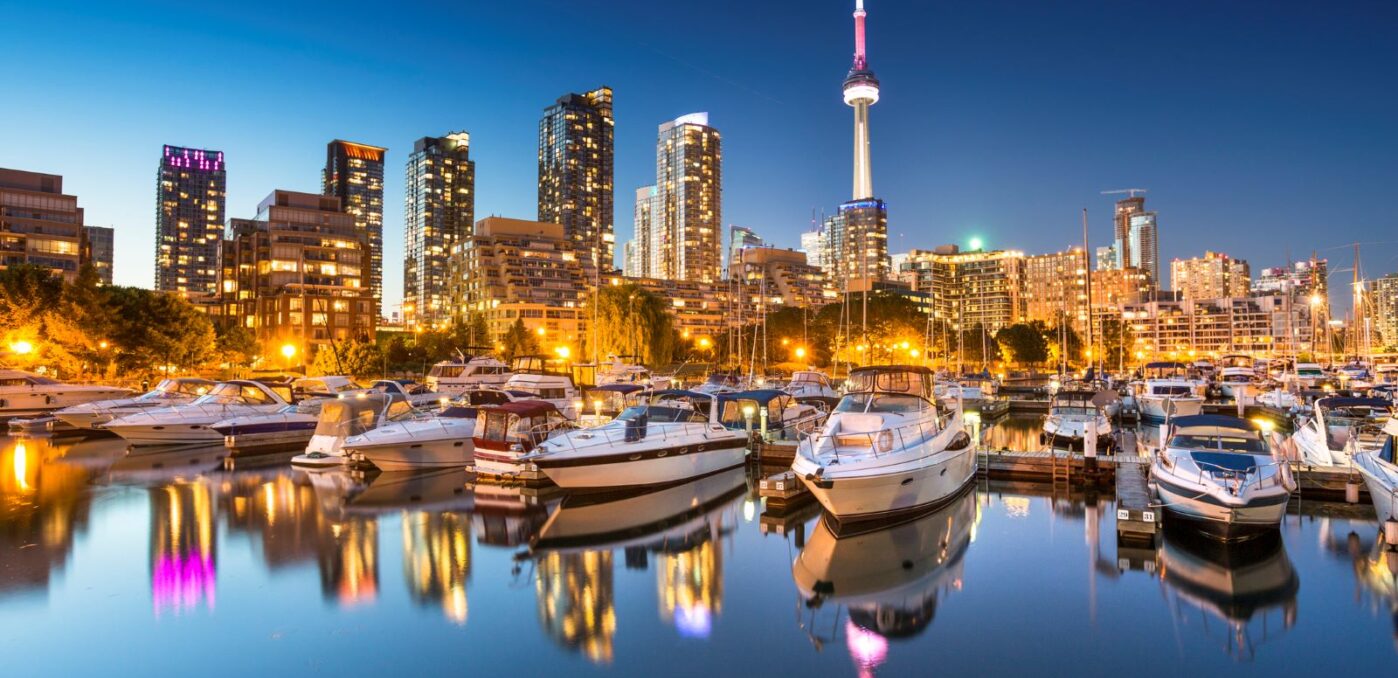
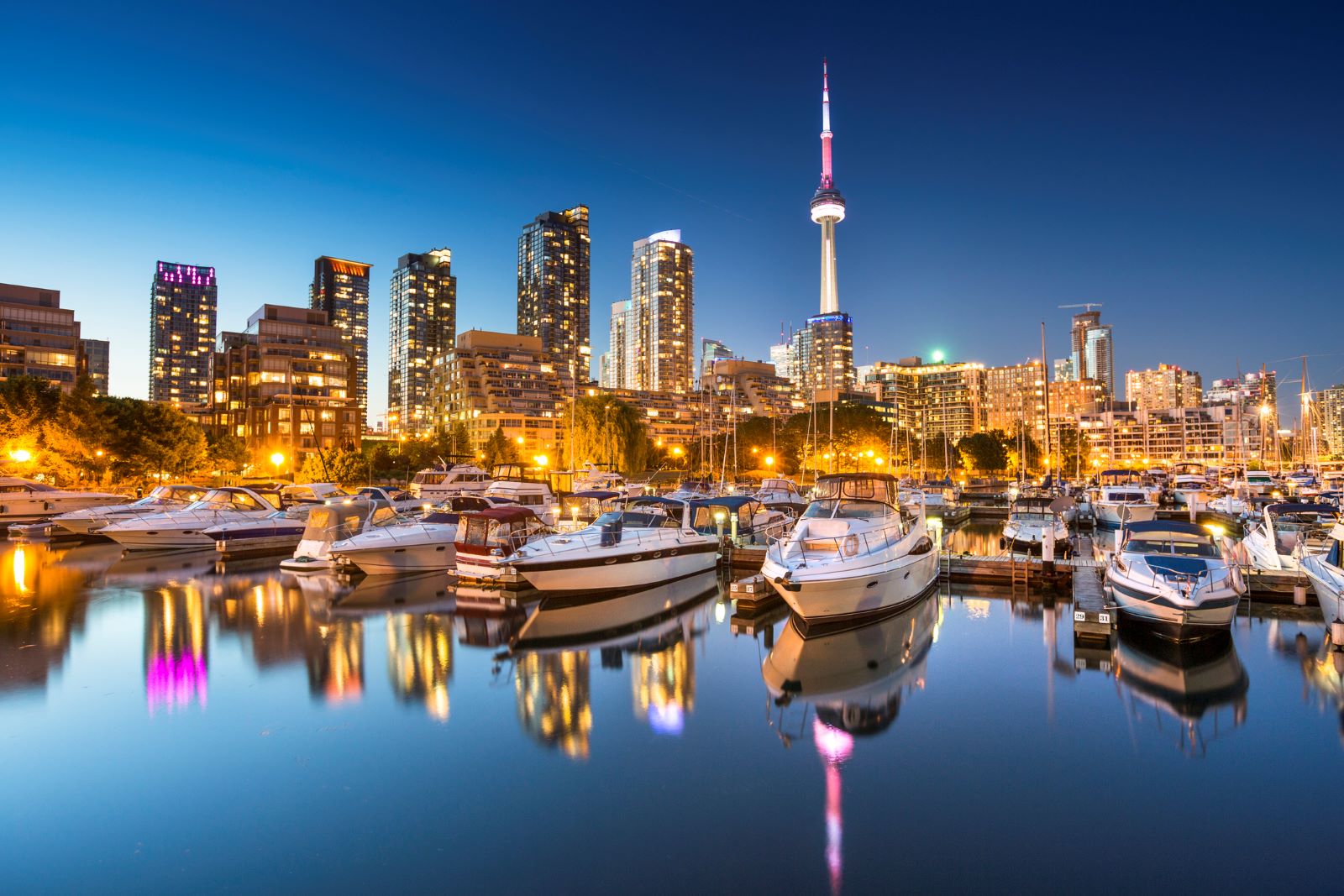
Toronto’s waterfront and skyline reflect the city’s balance of urban living and access to Lake Ontario.
Luxury in Toronto is defined as much by what surrounds a home as by the property itself. Affluent buyers may choose to live close to major business and cultural districts, settle into a quiet neighbourhood shaped by mature trees and ravine systems, or prioritize privacy and generous grounds farther from the downtown core. Each setting offers a different relationship with the city and a different way of experiencing its opportunities.
This range is central to the appeal of Toronto luxury real estate. A condominium in Yorkville, a historic home in Rosedale, and an estate in The Bridle Path may all represent exceptional properties, but they support markedly different routines. For buyers, choosing among them means considering not only architecture, space, and amenities, but also how a location connects them to work, culture, dining, recreation, travel, and the rhythms of everyday life.
TABLE OF CONTENTS
LUXURY LIVING ACROSS TORONTO
Toronto’s luxury neighbourhoods range from highly walkable urban districts to quiet residential enclaves and private estate settings. The right location depends on which combination of property style, space, privacy, convenience, and access best supports the buyer’s preferred way of life.
| TORONTO AREA | RESIDENTIAL CHARACTER | LIFESTYLE FEATURES |
|---|---|---|
| Yorkville | Luxury condominiums, townhomes, and select detached residences | Restaurants, designer retail, galleries, spas, downtown access |
| Rosedale | Historic estates and detached residences on mature streets | Ravines, parks, proximity to central Toronto |
| Forest Hill | Detached estates, Tudor-style homes, historic residences, and custom properties | Parks, trails, schools, local shopping |
| Lawrence Park | Detached homes ranging from traditional residences to contemporary builds | Public and independent schools, residential streets, parks, access to central Toronto |
| The Bridle Path | Large estates on expansive lots | Privacy, mature greenery, and proximity to the Don Valley |
For affluent buyers, the choice ultimately comes down to the setting that complements their priorities. Professionals may value efficient access to Toronto’s business districts, frequent travellers may consider connections to major transportation hubs, and households seeking a more private daily environment may look farther from the downtown core.
A CITY BUILT FOR BUSINESS
Toronto’s position as Canada’s leading business centre is an important part of its appeal to executives, entrepreneurs, investors, and other high-income professionals. The city supports major concentrations in finance, technology, professional services, life sciences, film and television, and other knowledge-based industries. Its downtown core brings corporate headquarters, financial institutions, and specialized professional services into a relatively concentrated area, while employment and business activity extend across the wider city.
That economic breadth gives luxury buyers considerable flexibility in deciding how closely home and work should be connected. A condominium in Yorkville or downtown may suit someone who values a shorter commute, walkable access to meetings, and proximity to the Financial District. Rosedale and Forest Hill provide a quieter residential environment while keeping central business areas within reach. Flexible and hybrid work arrangements may allow other buyers to prioritize larger properties, privacy, or access to schools and green space farther from the core.
CULTURE SHAPES EVERYDAY LIFE
Professional opportunity is only one dimension of Toronto’s appeal. The city also gives residents year-round access to internationally recognized arts, performances, festivals, and cultural institutions. For buyers who value an active cultural life, this breadth makes it possible to build exhibitions, concerts, theatre, and major events into the rhythm of living in Toronto.
The city’s cultural landscape includes:
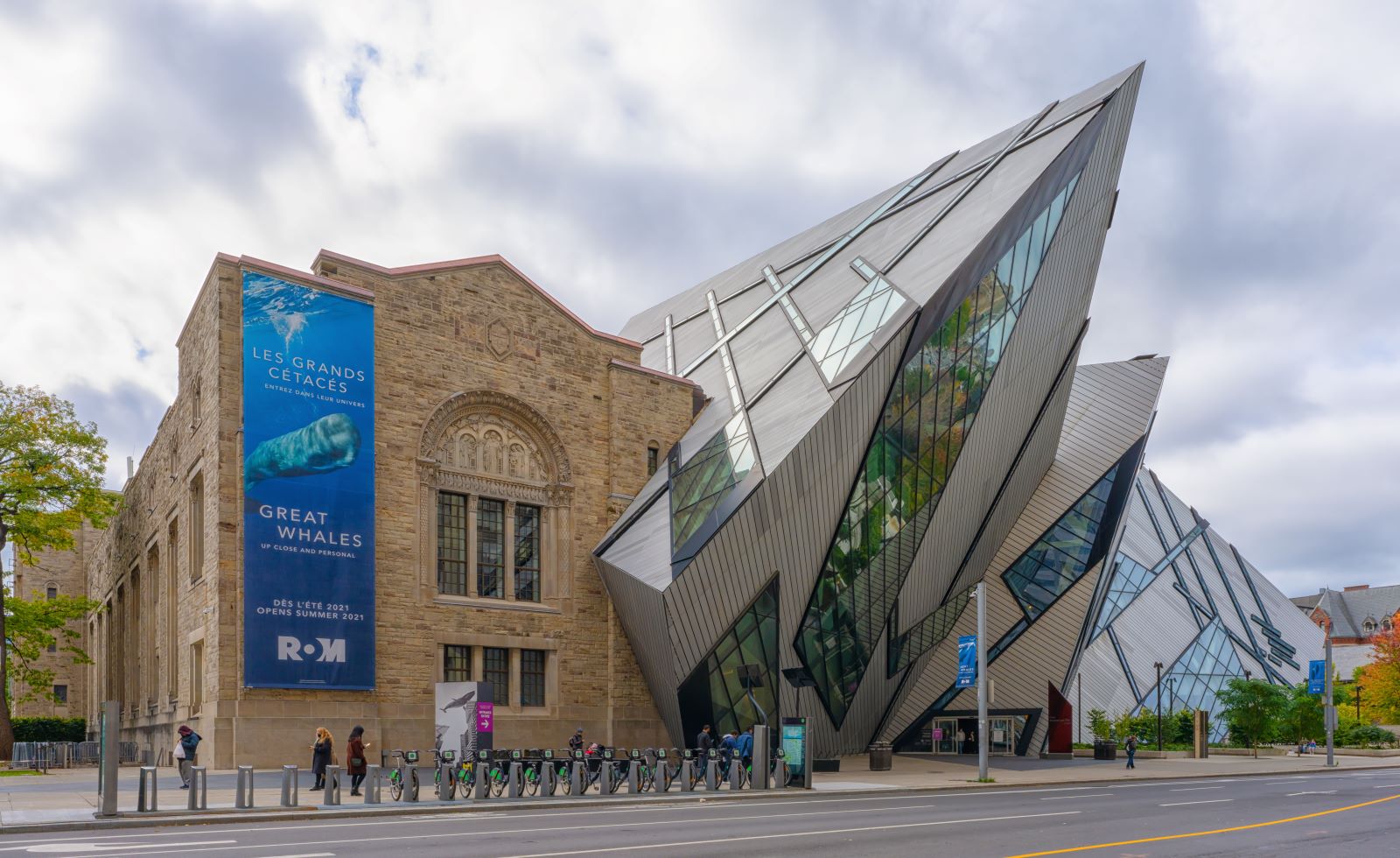
The Royal Ontario Museum is one of Toronto’s major cultural institutions, offering year-round exhibitions and programming.
- Museums and galleries: The Royal Ontario Museum and Art Gallery of Ontario anchor a wider network of museums, galleries, and exhibition spaces.
- Music, dance, and opera: The Toronto Symphony Orchestra, Canadian Opera Company, National Ballet of Canada, and Royal Conservatory of Music offer extensive annual programming.
- Theatre: Mirvish Productions brings major theatrical performances to several venues across the city.
- Festivals and events: The Toronto International Film Festival, Nuit Blanche, Pride Toronto, and Toronto Caribbean Carnival contribute to a full calendar of large-scale cultural events.
Location influences how easily residents can participate in this side of city life. Buyers who want spontaneous access to performances, exhibitions, and events may favour a central or transit-connected neighbourhood. Others may prefer a quieter residential setting while remaining close enough to enjoy the city’s programming when they choose. In either case, Toronto’s cultural depth adds a dimension to luxury living that extends well beyond the home.
DINING, SHOPPING, AND SOCIAL LIFE
Toronto’s diversity is especially visible in its dining, shopping, and social life. Residents can move between internationally influenced restaurants, established local institutions, independent retailers, designer boutiques, markets, and evening venues without leaving the city. For affluent buyers, that variety provides both everyday convenience and abundant opportunities for entertaining, meeting colleagues, and spending time with family and friends.
The dining scene ranges from MICHELIN-recognized restaurants such as Alo and Edulis to long-standing establishments, including Barberian’s Steak House and Scaramouche. Rather than being concentrated in a single district, notable restaurants can be found across Downtown and several central neighbourhoods.
Shopping is similarly varied: Yorkville and Bloor Street are known for designer boutiques and international luxury brands, while areas such as Ossington and Queen West combine independent shops with restaurants, galleries, and nightlife. St. Lawrence Market adds another dimension through specialty food vendors and fresh and prepared foods.
For buyers, the question is often how closely they want to live to this activity. A walkable neighbourhood makes dining, shopping, and evenings out part of an effortless daily routine. Buyers who place greater value on privacy and residential calm may instead choose a quieter enclave with convenient access by car or transit. Toronto accommodates both preferences, allowing residents to enjoy the city’s social life without requiring everyone to live at its centre.
GREEN SPACE WITHIN THE CITY

Wooded ravine trails create pockets of quiet within Toronto and help shape the character of nearby residential neighbourhoods.
Toronto’s ravine system is one of the city’s defining natural features. Winding through established neighbourhoods and densely developed areas, its wooded corridors create an extensive network of trails, natural spaces, and mature tree cover. In communities such as Rosedale, Moore Park, and Hoggs Hollow, the ravines contribute to a residential atmosphere that feels remarkably removed from the surrounding city.
These natural corridors complement Toronto’s public parks and Lake Ontario waterfront. High Park provides trails, gardens, recreation facilities, and seasonal activities, while waterfront parks and paths support walking, cycling, boating, and time near the lake. A short ferry ride from Downtown, the Toronto Islands offer beaches, parkland, walking and cycling routes, and broad views of the city skyline.
For luxury buyers, access to these spaces tends to meaningfully shape neighbourhood and property preferences. Some may prioritize a home near ravine trails or parkland, while others may prefer waterfront access, marina facilities, or views of Lake Ontario. Together, the ravines, parks, and shoreline allow residents to remain connected to nature and outdoor recreation while living within Canada’s largest city.
THE PHINNEY REAL ESTATE EDGE
Toronto luxury properties require evaluation beyond broad market figures. Neighbourhood context, lot characteristics, architecture, renovation history, privacy, views, condition, and condominium amenities can all influence the suitability and value of an individual home.
Working with an experienced Toronto Realtor can help buyers assess these distinctions at the property level. Award-winning Phinney Real Estate provides top-tier guidance through neighbourhood comparisons, strategic property evaluation, skilled negotiation, and discreet service, helping clients pursue a home that supports both their investment priorities and preferred Toronto lifestyle.
FREQUENTLY ASKED QUESTIONS
Does Toronto have luxury homes outside its best-known neighbourhoods?
Yes. Beyond Yorkville, Rosedale, Forest Hill, Lawrence Park, and The Bridle Path, luxury properties may be found in areas such as The Annex, Summerhill, Moore Park, and Hoggs Hollow. Options include condominiums, townhomes, historic residences, contemporary builds, and detached homes on generous lots.
Which Toronto neighbourhoods offer walkable luxury living?
Yorkville, Summerhill, The Annex, and parts of Downtown combine luxury housing with convenient access to dining, shopping, culture, professional services, and transit. Because walkability varies by address, buyers should assess proximity to the destinations they expect to use regularly.
What should relocating executives consider beyond commute time?
Relocating executives should consider airport access, business travel, schools, recreation, privacy, and household space. Frequent travellers may also weigh proximity to Toronto Pearson International Airport or Billy Bishop Toronto City Airport. The best location should support their broader routine, not simply the shortest commute.
FIND YOUR PLACE IN TORONTO
Choosing among Toronto’s luxury properties means considering how the home, neighbourhood, and surroundings support the buyer’s priorities and plans for living in Toronto.
Connect with Phinney Real Estate for experienced guidance throughout your home search. Call 905.466.8888 or connect through the contact page to discuss Toronto luxury real estate and current opportunities.